Secondo Pia Photographs the Shroud
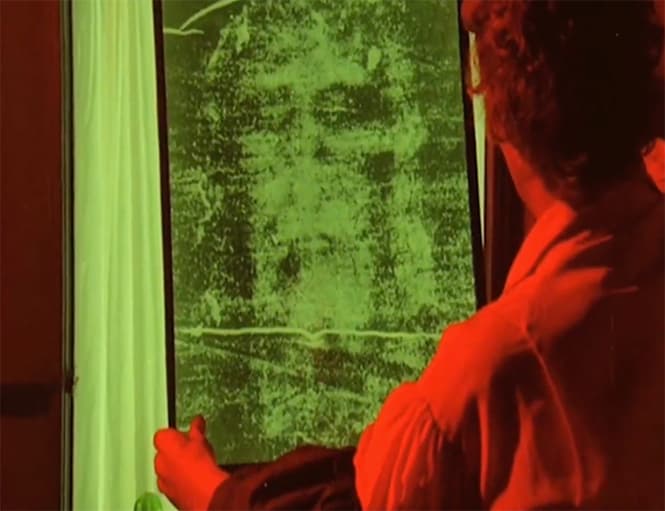
On the evening of May 28, 1898, Secondo Pia, a lawyer and amateur photographer from Asti, Italy, took the first photographs of the Shroud of Turin. What he discovered in his darkroom that night would transform scientific and popular interest in the relic.
The Discovery
As Pia developed his glass plate negatives, he noticed something extraordinary: the photographic negative showed the image of a man with startling clarity and realistic detail. The dark and light areas on the Shroud were reversed in the negative, revealing what appeared to be a positive photographic image.
This suggested that the image on the Shroud itself was acting as a photographic negative, a concept that would have been impossible for any medieval forger to conceive, as photography was not invented until the 19th century.
Initial Reaction
Pia’s announcement was met with both excitement and skepticism. Some suggested he had manipulated the photographs, while others saw this as evidence of the Shroud’s authenticity. The discovery sparked the beginning of modern scientific investigation of the relic.
Scientific Implications
The negative image property raised profound questions:
- How could a medieval artist create a negative image centuries before the concept existed?
- What process could have created such an image on the Shroud?
- Why does the image contain three-dimensional information when encoded in its light and dark areas?
These questions continue to drive scientific research into the Shroud today.
Legacy
Pia’s photographs marked the beginning of a new era in Shroud studies. They demonstrated that modern scientific and technological methods could reveal previously unknown properties of the Shroud, encouraging further investigation using increasingly sophisticated techniques.
Sources & References
- Pia, S. (1907). La fotografia della Santissima Sindone. Memoria.
- Heller, J. & Adler, A. (1981). A Chemical Investigation of the Shroud of Turin. Canadian Society of Forensic Science Journal, 14(3), 81-103.