Radiocarbon Dating Study Published
The 1988 radiocarbon dating of the Shroud of Turin stands as one of the most controversial scientific studies in the relic’s modern history. Three independent laboratories analyzed small samples from the Shroud using accelerator mass spectrometry (AMS), with results published in the prestigious journal Nature.
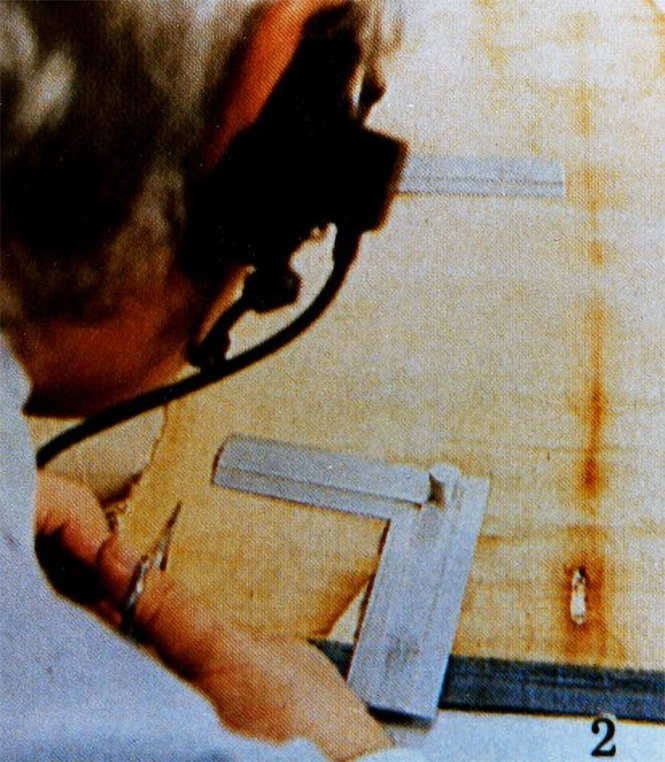
Methodology
The study was designed with careful protocols:
- Samples: A single strip approximately 1cm x 7cm was removed from a corner of the Shroud
- Laboratories: Oxford University, University of Arizona, and ETH Zurich
- Controls: Each lab received portions of the Shroud sample plus three control samples of known age
- Blind testing: Labs were not told which samples were from the Shroud
The Process
Each laboratory independently dated their sample portions using accelerator mass spectrometry, which measures the ratio of carbon-14 to carbon-12 isotopes. As carbon-14 decays at a known rate, the remaining ratio indicates the age of organic material.
Results
All three laboratories independently dated the Shroud to between 1260 and 1390 CE with 95% confidence. The published conclusion was that the tested Shroud sample dated to the Middle Ages, ruling out a first-century origin.
The averaged date suggested manufacture around 1325 CE ±33 years, which would make it contemporaneous with the documented Lirey exhibitions.
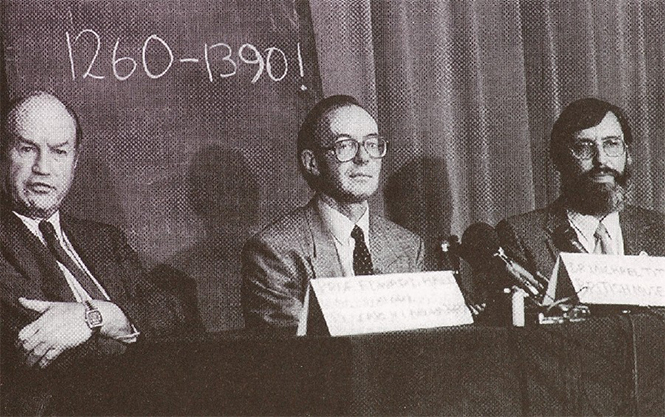
Initial Reception
The results appeared to settle the question of the Shroud’s age:
- The Vatican accepted the results, with Cardinal Ballestrero calling the Shroud a “religious icon” rather than a relic
- Many scientists considered the matter closed
- Skeptics viewed it as final proof of medieval forgery
Subsequent Controversies
Over the following decades, numerous questions emerged about the study:
Sample Location Concerns
- The sample came from a corner that may have been handled frequently
- Textile experts suggested this area might have been rewoven during medieval repairs
- Studies indicated the sample area showed different chemical properties from the main area of the Shroud
Contamination Questions
- Could biological contamination have skewed results?
- Medieval fire damage and exposure to contaminants over centuries
- Debate over whether contamination could add enough modern carbon to shift dates by 1300 years
Statistical Anomalies
- The chi-squared test indicated the three labs’ measurements were not as consistent as expected
- Raw data showed variations that suggested the sample might not have been homogeneous
- A 2019 reanalysis of the original raw data raised questions about the statistical interpretation
Procedural Issues
- Documentation gaps in the sample-taking process
- Questions about whether proper chain-of-custody was maintained
- Calls for testing additional samples from different locations on the Shroud
Current State of Debate
The radiocarbon dating remains the most cited scientific evidence for a medieval origin, yet the debate continues:
Those who accept the dating argue:
- Three independent labs using the gold-standard dating method all agreed
- The date matches the historical record
- Contamination sufficient to shift dates by 1300 years is implausible
Critics of the study point to:
- Potential sample contamination or repair
- Statistical irregularities in the raw data
- Need for additional samples from different locations
- Other scientific evidence suggesting characteristics inconsistent with medieval origin
Legacy
The 1988 study demonstrates both the power and limitations of scientific dating methods. While carbon-14 dating is highly reliable under controlled conditions, questions about sample selection, contamination, and statistical interpretation show that even the most rigorous scientific studies can face legitimate scrutiny.
The controversy highlights the importance of:
- Multiple sampling locations
- Transparent methodology and data sharing
- Considering all available evidence, not just single tests
- Peer review and reanalysis of important findings
Whether the 1988 dating definitively resolved the Shroud’s age or introduced new questions remains a matter of scientific debate.
Sources & References
- Damon, P.E., et al. (1989). Radiocarbon dating of the Shroud of Turin. Nature, 337(6208), 611-615. View source →
- Gove, H.E. (1996). Relic, Icon or Hoax? Carbon Dating the Turin Shroud. Institute of Physics Publishing.
- Casabianca, T., et al. (2019). Radiocarbon Dating of the Turin Shroud: New Evidence from Raw Data. Archaeometry, 61(5), 1223-1231. View source →